
|
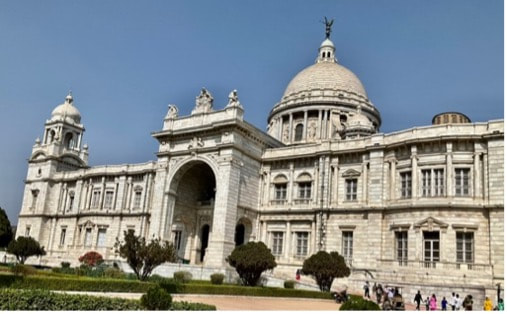
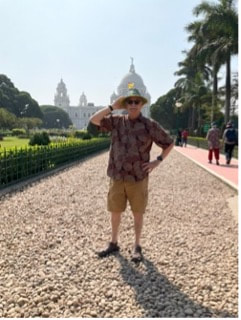
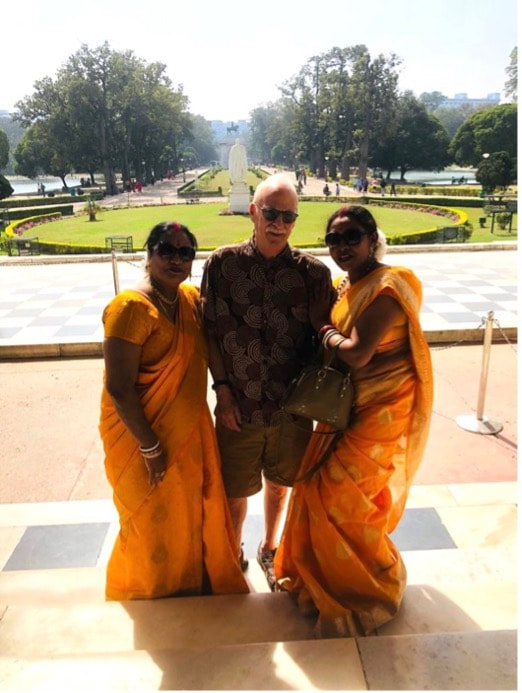
I am now in India, mostly on a buying trip—looking for cashmere. Usually when I come to India, and this is my first time in a few years, I try to visit someplace I have never been. This time, it is Kolkata, once known as Calcutta. Like most of India, pandemonium and chaos seem to be an undercurrent to life here. Traffic is always terrible, most drivers don’t seem to follow rules and horns blare constantly, generally for no discernible reason. All that said, Kolkata is a very interesting place. This if the view from my hotel room. The hotel is located in New Town…a developing area about 40 minutes by car from the city center. Well-planned and attractive, it is far from the chaos of the heart of the city. 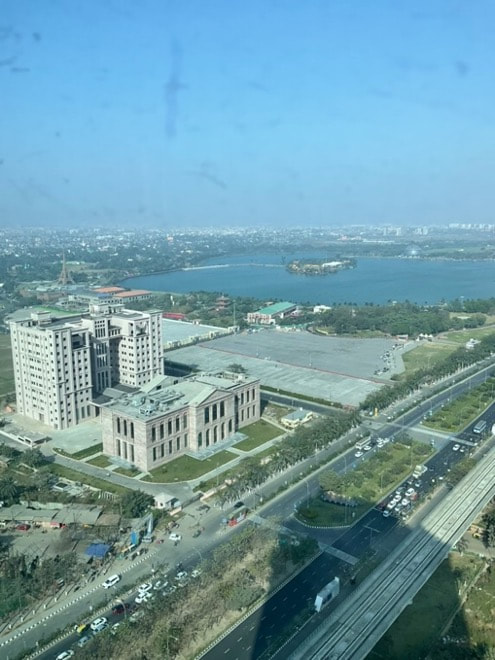 The Victoria Memorial is a magnificent structure and certainly the first place anyone visiting here should see. Located in beautiful gardens, it was built in the 1920’s to commemorate the reign of Queen Victoria. The legacy of the UK here is not all that great, but certainly this structure is one of the better relics of the British era.
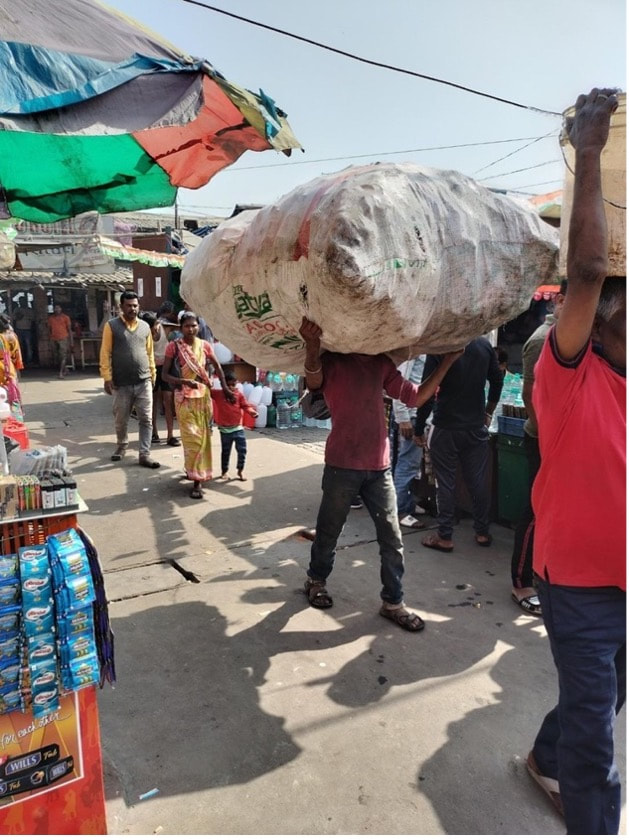
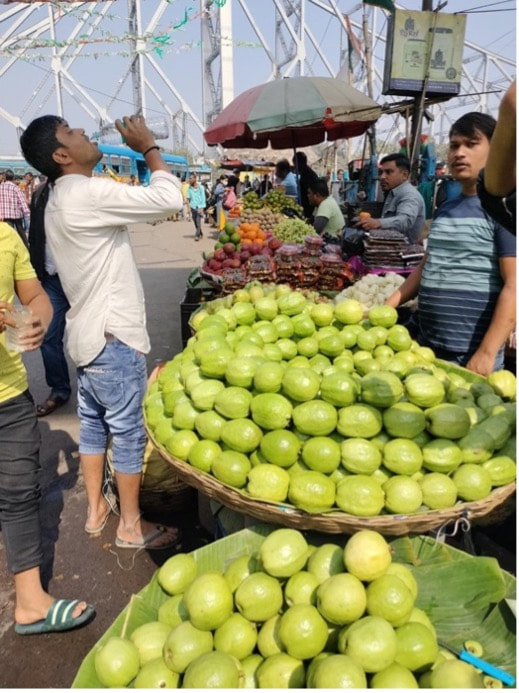
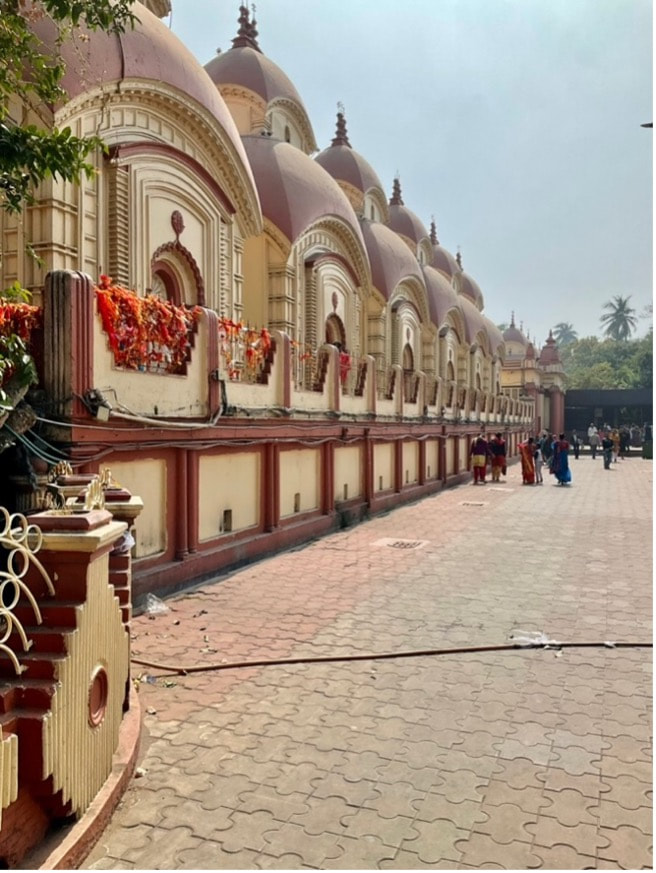
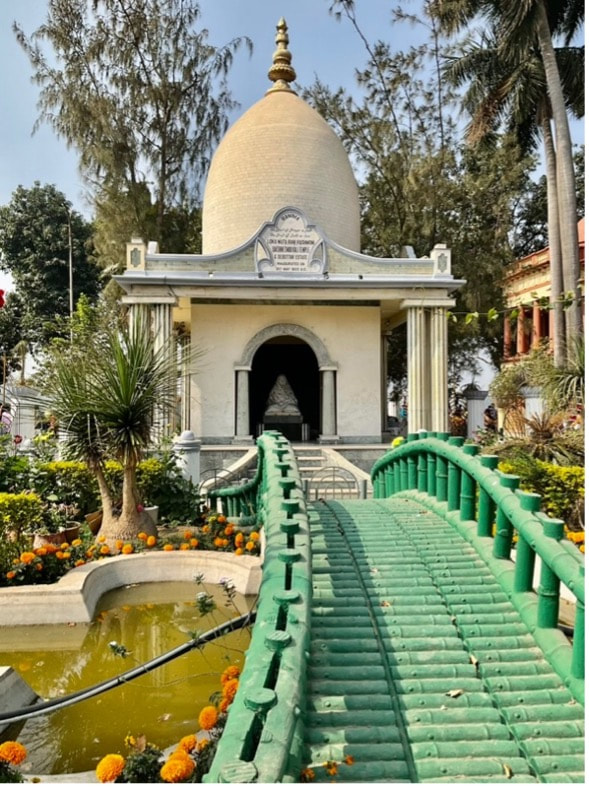
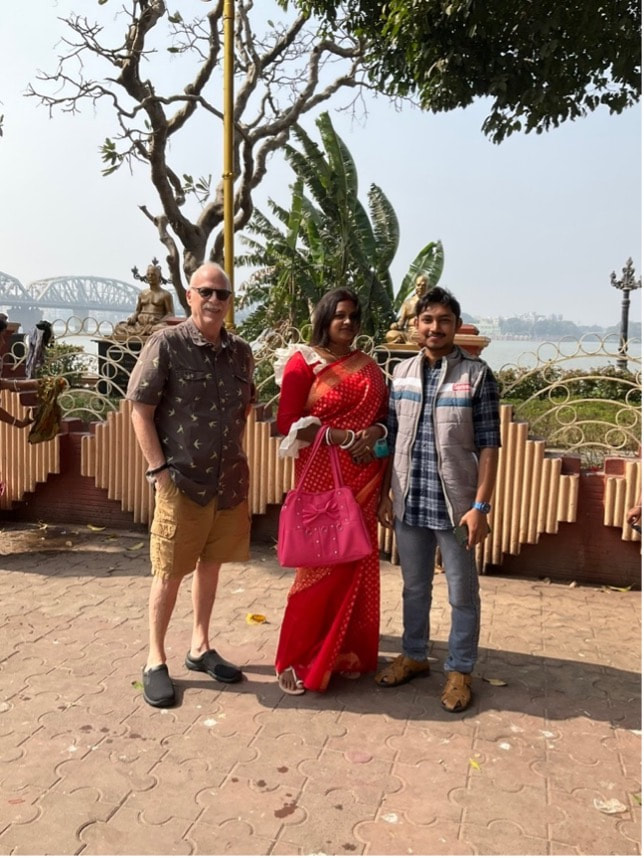
The street scene near the bridge gives you a glimpse into ordinary life here. I visited a beautiful temple outside the city called Dakshineswar which was simply magnificent. Why is it famous? I asked Google: The temple is known for its association with Ramakrishna and Ma Sarada Devi, mystics of 19th century Bengal. The Temple complex is on the banks of the river Hooghly, West Bengal. The main temple was inspired by Navaratna style Radhakanta temple, built by Ramnath Mondal of Tollygunge. Before going into the temple itself (cameras are not allowed), many people wash in the Hooghly river that runs nearby. 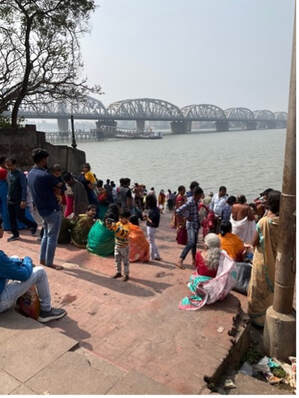 Many parishioners buy offerings that they carry with them into the temple. Rather than leaving them, they have them blessed and then carry them home. 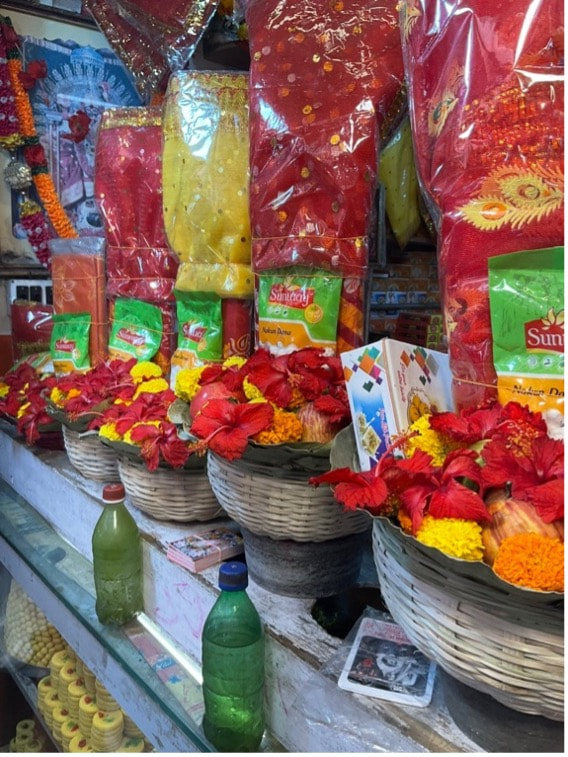 Finally, let me share some random photos from around the city. Below is a memorial built with funds donated by residents of the city to honor the Britisher James Prinsep. Apparently he was quite revered in the city. Who was James Prinsep? I asked Google: James Prinsep FRS was an English scholar, orientalist and antiquary. He was the founding editor of the Journal of the Asiatic Society of Bengal and is best remembered for deciphering the Kharosthi and Brahmi scripts of ancient India. 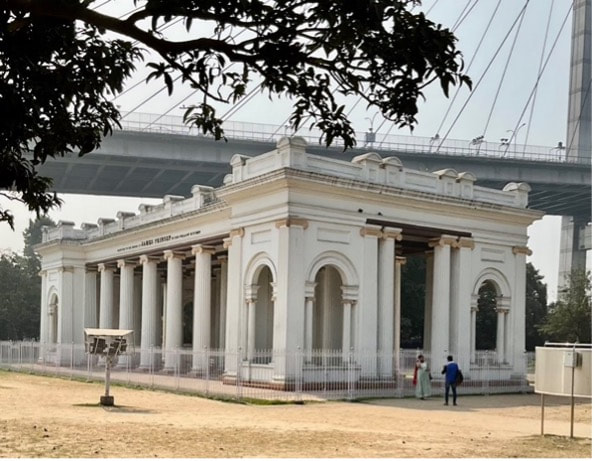
0 Comments
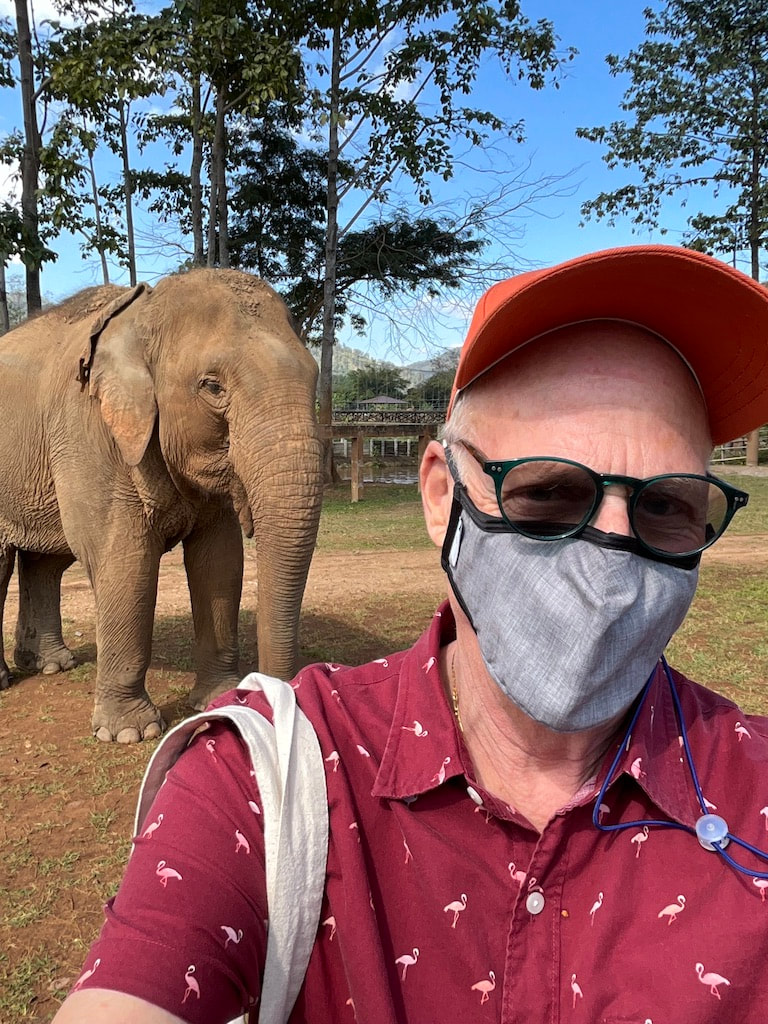
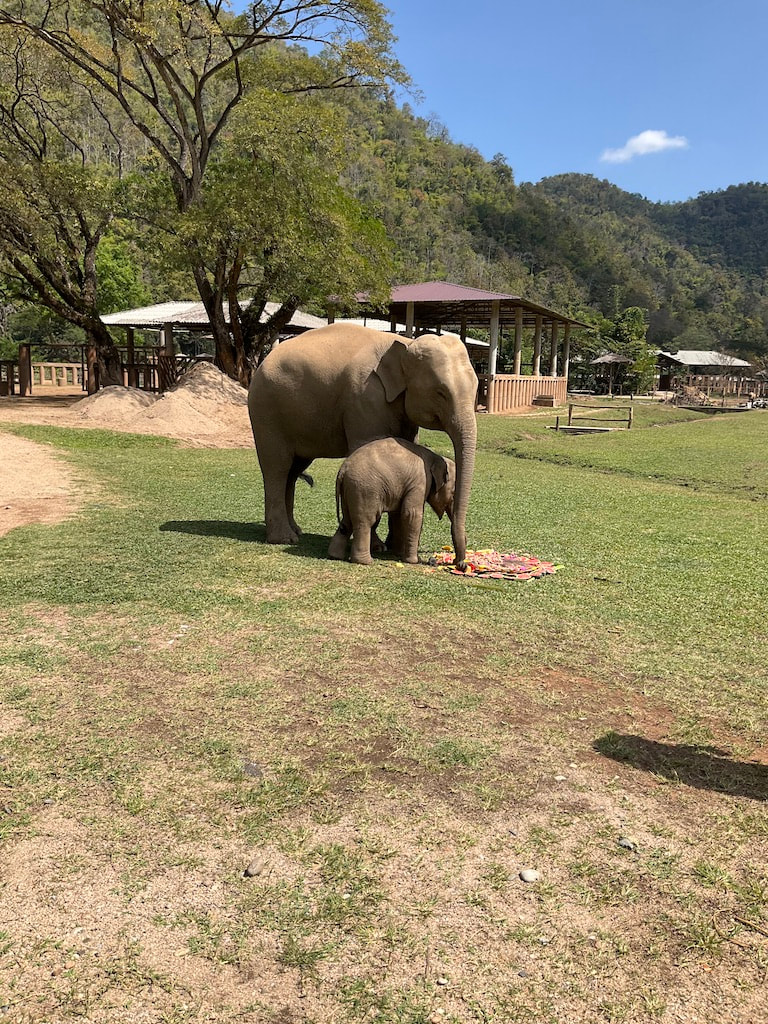
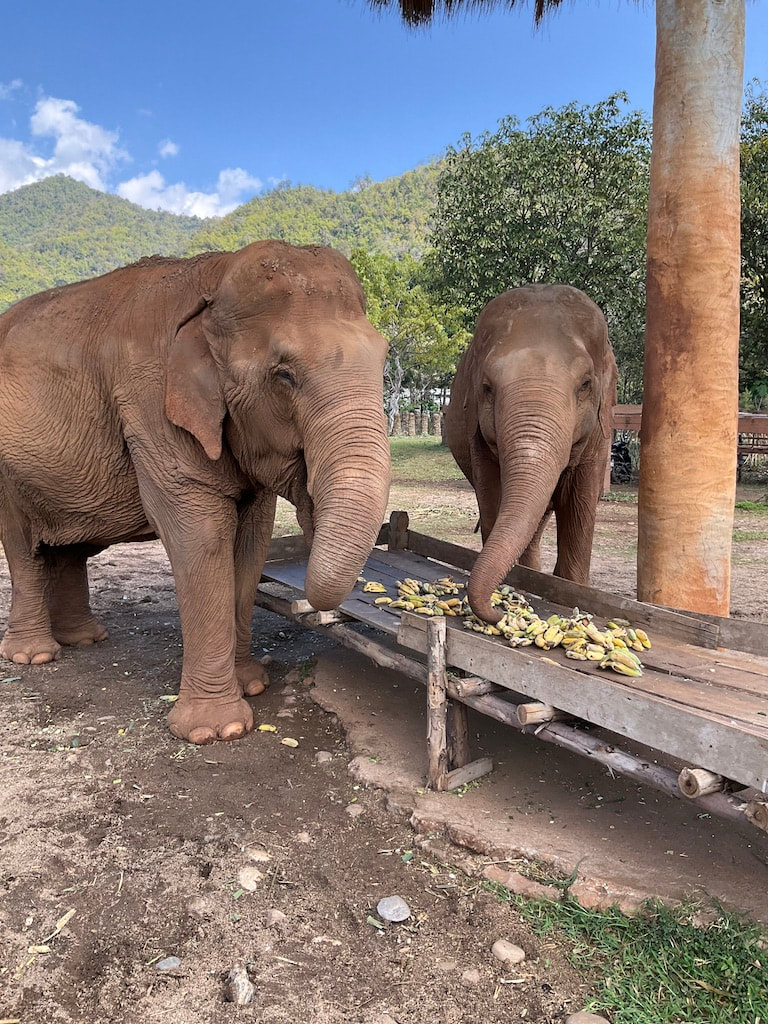
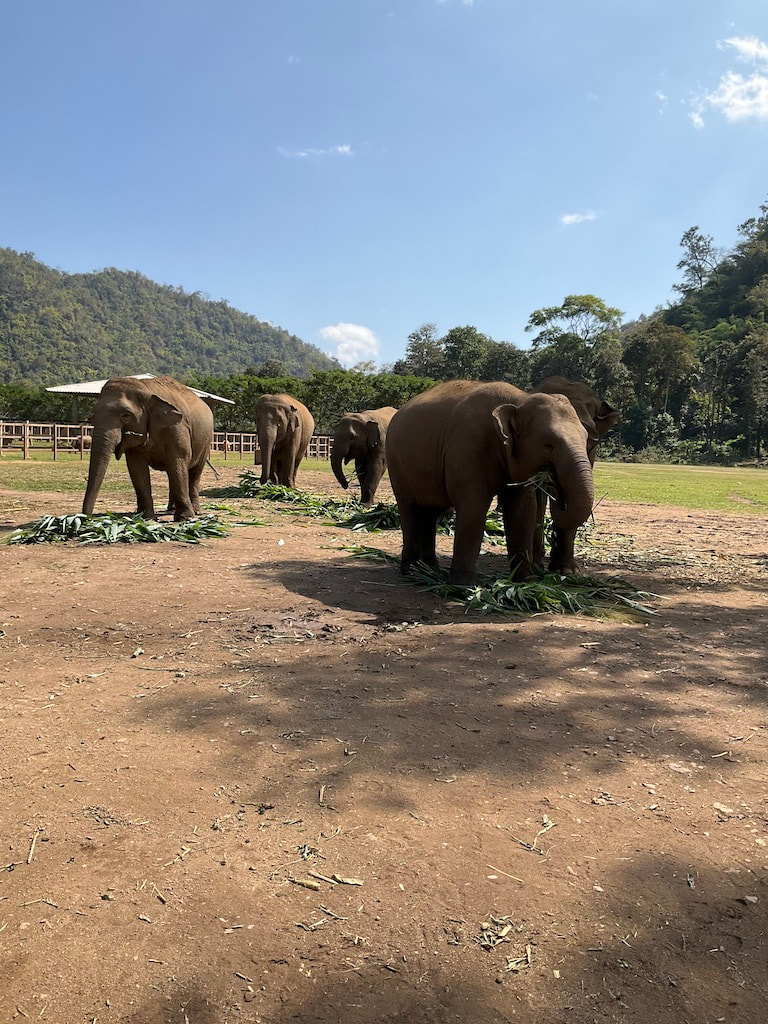
These wonderful people have saved the lives and rehabilitated hundreds of elephants and other animals Today, ENP is home to 208 elephants, hundreds of dogs, cats, water buffalo, horses, wild boars, ponies, etc., on a 250 acre privately owned preserve. Elephants are amazing:
As the world suffered through the Covid-19 crisis, so many of my friends in Burma, Thailand and India suffered even more than we did here in the United States. I was moved by the plight of old friends, particularly in India which was so hard hit.
A tuk-tuk driver in Jodhpur whom I had known for ten years and who had been my friend and guide had worked hard for so many years to make a better life for his family and he was succeeding well….until he lost everything. When he was on the verge of losing his home, I asked my friends and customers to assist me in providing aid. They stepped up and I was able to collect over $1200. Together, we were able to save his home. Furthermore, with leftover funds, I was able to help procure food for three close friends who were helping to feed the poor and sick in Mumbai, Nagpur and Delhi. Did you know there are at least 25 different ways to tie a scarf? In this surprisingly entertaining Youtube video, a young Thai woman deftly demonstrates how to wear a silk scarf in all 25 ways!
|
About meAn inveterate traveler, I have spent a great deal of time searching for new arts and artisans, mostly in Asia. I am drawn to Asia thanks to my 25-year tenure living in Japan. During that period I traveled extensively and often in Southeast Asia. Upon returning to the US, I formed Arts of Asia in order to share the qualities I admire in Asia with my friends and customers in the US. To support this mission, I continue to spend 4 months a year abroad. The search is never ending! Archives
February 2023
Categories |

 RSS Feed
Hope you enjoy shopping |
|
Terms & conditions |
quick links |
|
